
What Is a Cannabis Terpene and Why It Matters
A jar of cannabis can tell you plenty before you ever look at the strain name. Crack the seal and you might catch sharp citrus, sweet berries, fresh pine, pepper, earth or a deep herbal note. So, what is a cannabis terpene? It is one of the naturally occurring aromatic compounds that gives cannabis much of its scent and flavour – and it can influence how a particular flower, vape or extract feels in the overall experience.
For shoppers who already know they prefer the bright fruit profile of Blue Dream or the spice and haze notes associated with Super Silver Haze, terpenes put language to those preferences. They are not just marketing buzzwords on a product label. They are part of the plant’s chemical makeup, and a useful way to choose cannabis more confidently.
What Is a Cannabis Terpene?
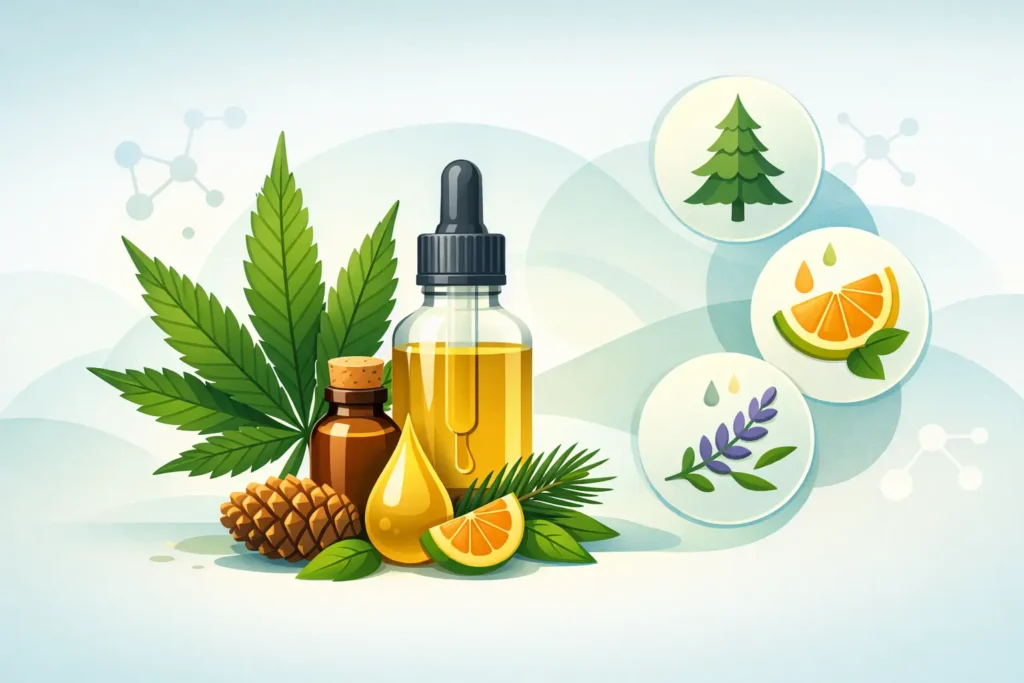
Terpenes are fragrant compounds produced by many plants, not only cannabis. They are found in citrus peel, lavender, rosemary, pine trees, black pepper and hops. In cannabis, they are made in the resin glands alongside cannabinoids such as THC and CBD.
A terpene’s main job in the plant is thought to include attracting pollinators and helping protect it from environmental stress and pests. For the consumer, the obvious result is aroma. The same compounds that make a lemon smell zesty or a pine forest smell crisp can show up in cannabis flower.
Cannabis contains a wide range of terpenes in varying amounts. That variation is one reason two products with similar THC percentages can smell, taste and suit different occasions in very different ways. One may be sweet and calming to the senses, while another comes across as sharp, energetic and intense.
Terpenes work alongside cannabinoids rather than replacing them. THC and CBD still matter, but judging cannabis only by THC percentage can miss a big part of the picture. A well-cured flower with a terpene profile you enjoy may be a better match than a higher-THC option with an aroma or flavour you dislike.
The Most Common Cannabis Terpenes
You do not need to memorise a chemistry textbook to shop by terpene. Knowing a few common names and their usual scent profiles is enough to make product descriptions more useful.
Myrcene
Myrcene is often associated with earthy, musky, herbal notes, sometimes with a touch of clove or ripe mango. It is one of the most frequently found terpenes in cannabis. Products high in myrcene are commonly described as having a deeper, more settled character, which is why it is often mentioned around evening-friendly strains.
That does not mean myrcene guarantees a certain result for every person. Cannabis experiences are individual, and the full cannabinoid and terpene profile matters.
Limonene
Limonene brings the bright smell of citrus zest – think lemon, orange or grapefruit. It is found in many fruit-forward strains and is a favourite among people who want a fresh, lively flavour rather than something heavy or earthy.
Limonene-rich cannabis is often described in upbeat terms, but aroma is the reliable takeaway. Treat mood-based claims as personal reports, not a promise printed on a label.
Pinene
Pinene smells like pine needles, rosemary and fresh herbs. It can give cannabis a clean, forest-like edge and appears in many classic varieties. If you enjoy a sharper, greener profile rather than sweet dessert flavours, pinene is worth looking for.
Caryophyllene
Beta-caryophyllene is responsible for peppery, spicy and woody notes. You may recognise it from cracked black pepper or cloves. It is particularly interesting because research has found it interacts with the body differently from many other terpenes, including activity at cannabinoid-related receptors. Research is ongoing, so it is best not to turn that science into a health claim.
Linalool
Linalool has a soft floral aroma often linked with lavender. In cannabis, it can round out sharper scents and add a sweet, gentle finish. It is commonly sought by people who prefer floral or perfume-like profiles over fuel, pine or pepper.
Why Terpene Profiles Matter When Choosing Cannabis
Strain names can be useful, but they are not a guarantee. The Blue Dream grown by one producer may not have the exact same chemistry as Blue Dream grown somewhere else. Growing conditions, plant genetics, harvest timing, curing and storage all affect the final terpene content.
That is why terpene information can be more useful than relying on a strain name alone. It gives you a practical clue about what you are likely to smell and taste, especially when comparing flower, hashish, moonrocks, vape cartridges or infused edibles.
With flower, terpenes are most obvious through the scent of the buds and the flavour after proper preparation. With concentrates and vape cartridges, a terpene profile can be especially prominent. Some products use cannabis-derived terpenes, while others may use botanical terpenes from non-cannabis plants to build a particular flavour. Neither approach is automatically better. Cannabis-derived profiles may appeal to people chasing a more plant-specific character, while botanical blends can offer clear, familiar flavours. Check the product information if that distinction matters to you.
Edibles are different again. Their flavour may come largely from added food ingredients rather than the original flower’s terpene profile. A berry gummy may taste fruity without telling you much about the terpenes in the cannabis extract used.
Terpenes Do Not Work in Isolation
You may hear people talk about the “entourage effect”, meaning cannabis compounds could influence the overall experience when present together. It is a popular idea, and there is genuine scientific interest in how cannabinoids, terpenes and other plant compounds interact.
However, the evidence is still developing. It would be overstating things to say that a single terpene reliably creates a specific effect, or that a terpene profile can predict exactly how you will feel. Your tolerance, dose, product format, THC and CBD content, setting, food intake and individual biology can all change the outcome.
A smarter approach is to use terpenes as one part of your selection process. Start with the flavour family you enjoy, then consider cannabinoid content and product format. Keep notes on what you tried and how it suited you. Over time, you may notice patterns such as preferring citrus-forward profiles during social plans or richer, earthy aromas when you are winding down at home.
How to Keep Terpenes Fresh
Terpenes are delicate. Heat, light, oxygen and poor storage can cause them to fade, which is why old or badly stored cannabis often smells flat, dry or vaguely like hay. Freshness affects more than flavour – it can change the whole character of the product.
Keep flower in an airtight glass container, stored in a cool, dark place away from direct sunlight. Avoid leaving it in a hot car, near a window or in a steamy bathroom. Opening the container constantly also lets more aroma escape, so only keep out what you plan to use.
For vape cartridges and concentrates, follow the storage directions on the packaging. Excess heat can affect consistency, flavour and performance. If a product smells unusually harsh, stale or chemically off, do not assume that is just how the strain is meant to be.
A Practical Way to Shop by Terpene
When reading a cannabis product description, look beyond broad labels like indica, sativa or hybrid. Those labels remain common shorthand, but terpene and cannabinoid information can give a clearer picture of the actual product in front of you.
Start by asking what scents you normally enjoy. Citrus and tropical fruit fans may look for limonene. People drawn to bushy, herbal, piney aromas may prefer pinene. If you like pepper, spice and woody notes, caryophyllene may be a good signpost. Earthy, musky profiles often point towards myrcene, while floral choices may contain linalool.
Then consider the format. A terpene-rich flower rewards slow appreciation of aroma and flavour. A cartridge may offer a more concentrated flavour profile, while hash and moonrocks can be more intense products where potency deserves as much attention as terpene content. If you are inexperienced, lower-intensity options and cautious pacing are generally the sensible path.
Adults should also check the laws and health guidance that apply where they live in Australia. Cannabis rules vary, and anyone using prescribed cannabis should follow their clinician’s advice. Avoid driving, operating machinery or mixing cannabis with alcohol when impaired.
The best terpene profile is not the one with the flashiest name. It is the one that smells appealing, suits the format you have chosen and helps you make a more informed call before you place an order. Pay attention to the nose, read the product details, and let your own preferences lead the way.