
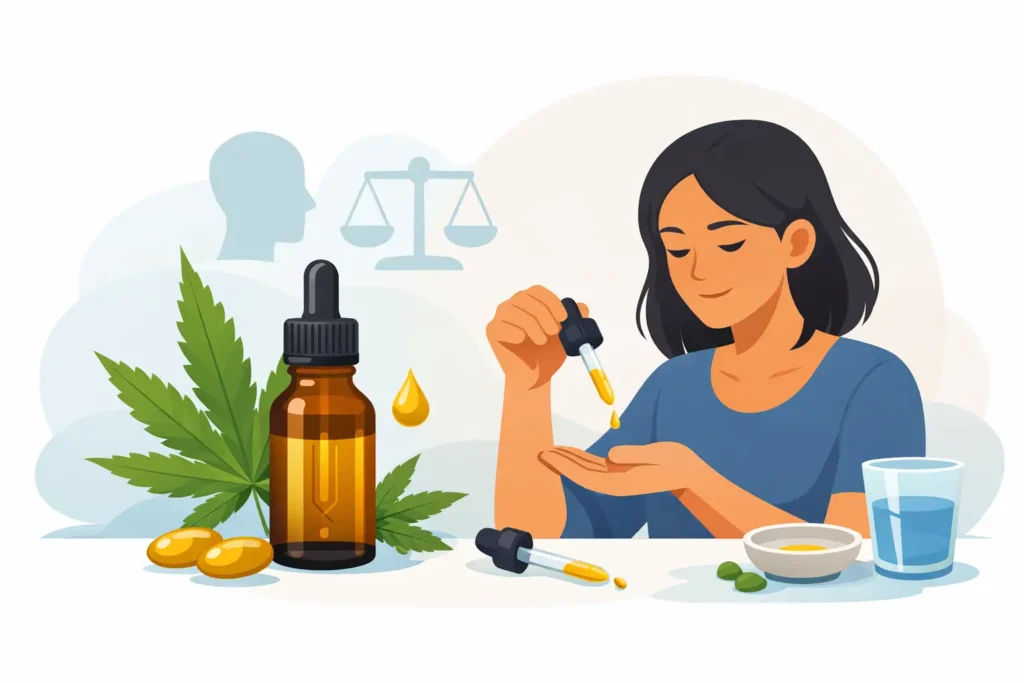
How to Dose CBD Oil Safely for First Timers
A bottle marked “1000 mg CBD” can sound straightforward until you realise that number refers to the whole bottle, not a single dropper. Knowing how to dose CBD oil starts with the amount of CBD in each serving, your reason for taking it, and a slow, consistent approach. There is no one dose that suits every adult, and chasing a stronger effect by taking more too quickly is rarely the smart move.
CBD products can vary widely in concentration, ingredients and whether they contain any THC. If you are using CBD for a health concern, particularly persistent pain, sleep problems, anxiety, seizures or inflammation, speak with a doctor or pharmacist before starting. In Australia, CBD medicines and access pathways are regulated, so make sure the product and advice you rely on are appropriate for you.
How to dose CBD oil: start with milligrams, not drops
The useful number is milligrams of CBD, usually written as mg. A dose of 10 mg means you are taking 10 milligrams of CBD, regardless of whether that takes a few drops or a full dropper. “Drops” alone are unreliable because different bottles have different strengths and droppers can deliver different volumes.
First, look at the label for two figures: total CBD in the bottle and bottle volume in millilitres (mL). Divide the total CBD by the total mL to find the concentration.
For example, a 30 mL bottle containing 900 mg of CBD has 30 mg per mL. If the supplied dropper holds 1 mL when full, a full dropper contains 30 mg CBD. Half a dropper contains 15 mg. If the label states the CBD amount per drop, use that figure instead of guessing.
A simple calculation looks like this:
Total CBD in bottle ÷ bottle volume in mL = CBD per mL
If you want to measure a small amount accurately, a marked oral syringe is generally more dependable than counting drops. Use only the measuring tool supplied or recommended for oral use, and do not confuse a cannabis oil with a vape liquid or topical product.
A cautious starting routine
For many adults trying a non-prescription CBD oil for the first time, a low trial dose might be around 5 to 10 mg once daily. Keep that same amount for several days before deciding whether it is doing anything for you. If you tolerate it but need a change, increase gradually, such as by 5 to 10 mg at a time, rather than doubling the dose overnight.
The right pace depends on the person and the product. Someone who is sensitive to medicines, has a lower body weight, is older, or takes other medications may need to begin at the lower end. A person using a prescribed CBD medicine should follow the prescriber’s directions exactly, even if online dosing advice says something different.
CBD oil is not usually an instant switch. Taken under the tongue, some people notice effects within 30 to 90 minutes, while the full pattern may be clearer after several days of consistent use. Swallowing the oil straight away can delay the onset. Food can also change how much CBD your body absorbs, especially a meal containing fat, so try to take it in a similar way each day.
A practical first-week plan is simple: take one small measured dose at the same time each day, note what you took and how you felt, then reassess after three to seven days. Avoid adding a morning dose and a night dose at the same time when you are still working out your response.
Decide what you are trying to measure
“Did it work?” is too broad to guide a dose. Pick one or two specific outcomes instead. If you are taking CBD in the evening, that could be how long it takes to settle for bed, how often you wake overnight, or how alert you feel the next morning. If the goal is general wellbeing, it may be easier to judge consistency, tension levels or recovery after a busy day.
Keep a brief note on your mobile or in a notebook: the date, dose in mg, time taken, food or alcohol around that time, perceived effects and any side effects. This makes it easier to spot whether a higher dose actually helps or merely costs more.
More CBD is not automatically better. Some people find a modest dose suits them, while others feel no meaningful change even at higher amounts. If you have increased slowly and still cannot identify a benefit, it is reasonable to pause rather than keep escalating.
Check the oil before you calculate your dose
Not every CBD oil is formulated the same way. A CBD isolate contains cannabidiol without the wider range of cannabis compounds. Broad-spectrum products may include other cannabinoids and plant compounds while being formulated without THC. Full-spectrum products can contain trace or measurable THC depending on the product and applicable rules.
That distinction matters for more than preference. THC can cause impairment, anxiety, altered perception and a positive drug test. If you drive for work, operate machinery, play competitive sport, are subject to workplace testing, or simply need to be clear-headed, do not assume a product marketed as CBD-only is risk-free. Read the batch information and ask a pharmacist or clinician if THC status is unclear.
Also check whether the label identifies CBD clearly, gives a batch number and lists a measured concentration. A vague front label, an unexplained “hemp extract” amount, or a promise that one serving treats every condition is a reason to be cautious. Reliable dosing depends on knowing what is actually in the bottle.
When to hold off or get medical advice
CBD can interact with medications because it may affect the way the liver processes certain drugs. This is particularly relevant for medicines with a narrow safety margin, including some anti-seizure medicines, blood thinners, sedatives and heart medications. Do not stop, replace or reduce prescribed medicine with CBD without advice from the clinician managing your care.
Common unwanted effects can include sleepiness, dizziness, diarrhoea, nausea, dry mouth or changes in appetite. Lower the dose or stop taking it if these are troublesome. Avoid alcohol and other sedating substances while you are learning how CBD affects you, particularly at night.
Seek medical advice before use if you are pregnant, breastfeeding, have liver disease, take regular medication, or have a history of serious mental health concerns. Get urgent help for symptoms of a severe allergic reaction, fainting, chest pain, marked confusion or anything that feels medically serious.
Timing your CBD dose
Timing comes down to your goal and your response. Some people prefer a small evening dose because CBD makes them feel relaxed or sleepy. Others find it sits better earlier in the day. Your first few doses are best taken when you do not need to drive, work a demanding shift, or make high-stakes decisions.
If you move to two doses a day, split the total daily amount into morning and evening portions rather than taking the entire amount at once. For instance, if 20 mg per day has been well tolerated, 10 mg in the morning and 10 mg in the evening gives you a cleaner read on how the routine feels. Keep the dose stable long enough to judge it before changing timing and amount together.
CBD dosing should feel measured, private and manageable, not like a guessing game. Start low, use milligrams, give each adjustment time, and let a clear record guide the next step. If the bottle, your medications or your body’s response raise a question, a pharmacist or doctor is the right person to ask before taking more.